
The Rise of Women Novelists in Britain: From Anonymous Ladies to Literary Giants
How British women went from publishing anonymously to defining the novel, from Aphra Behn to Jane Austen, the Brontës, and Agatha Christie.
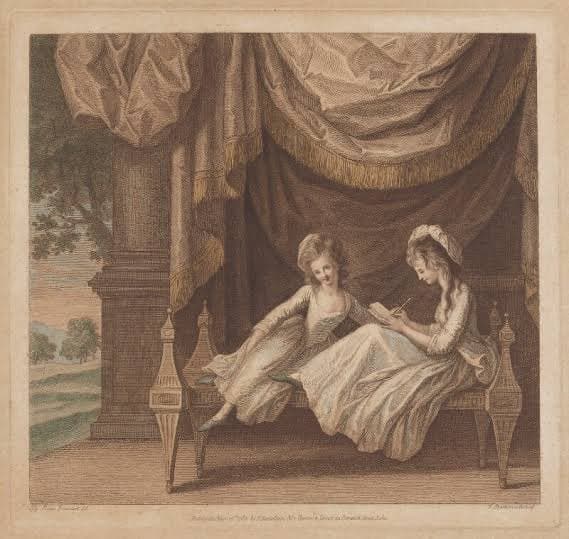
Walk into any bookshop in Britain today, and you'll find women writers on every shelf: literary fiction, crime, historical novels, romance. It's easy to forget how recently that became ordinary. For much of British history, a woman who wanted to write for a living faced hostile critics, limited education, and laws that gave her husband control of her earnings.
Yet women didn't just join the English novel. They helped invent it. Understanding how they did it changes the way you read Austen, Brontë, and Eliot, and it makes visiting the places where these women lived and wrote far richer.
Here is the story of how British women novelists rose from the margins to the center of the literary world.
Before the Novel: The Trailblazers
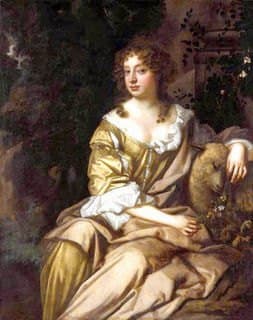
The novel as we know it was still taking shape in the seventeenth century, and the first woman to earn her living by writing in English was Aphra Behn (1640–1689). A playwright, poet, and reputed spy, Behn wrote for money at a time when women who published were widely suspected of immodesty. Her short novel Oroonoko (1688) is often counted among the earliest English novels. Centuries later, Virginia Woolf wrote that all women together ought to let flowers fall on Behn's tomb, for it was she who earned them the right to speak their minds.
Behn proved it could be done. What followed was slower and harder than she might have hoped.
The Eighteenth Century: Reading Public, Writing Women
Several forces came together in the 1700s to open a door for women writers:
- A growing reading public. Rising literacy, cheaper printing, and the spread of circulating libraries meant more readers, and many of them were women with leisure time.
- The novel's low status. Critics regarded novels as light entertainment, not serious literature. Paradoxically, that gave women room to write them, because few men were guarding the territory.
- Writing at home. Fiction could be written at a parlor table between interruptions, without a university degree or a place in public life.
Writers like Frances Burney, whose Evelina (1778) won praise from the leading literary men of her day, and Ann Radcliffe, whose Gothic bestseller The Mysteries of Udolpho (1794) thrilled a generation of readers, showed that women could command both critical respect and a mass audience.
Listen to our podcast episode about The Hidden History of Book Clubs
Even so, convention demanded modesty. Many women published anonymously or hid behind a vague title. When Sense and Sensibility appeared in 1811, the title page credited its author only as "By a Lady."
Jane Austen and the Art of the Domestic Novel
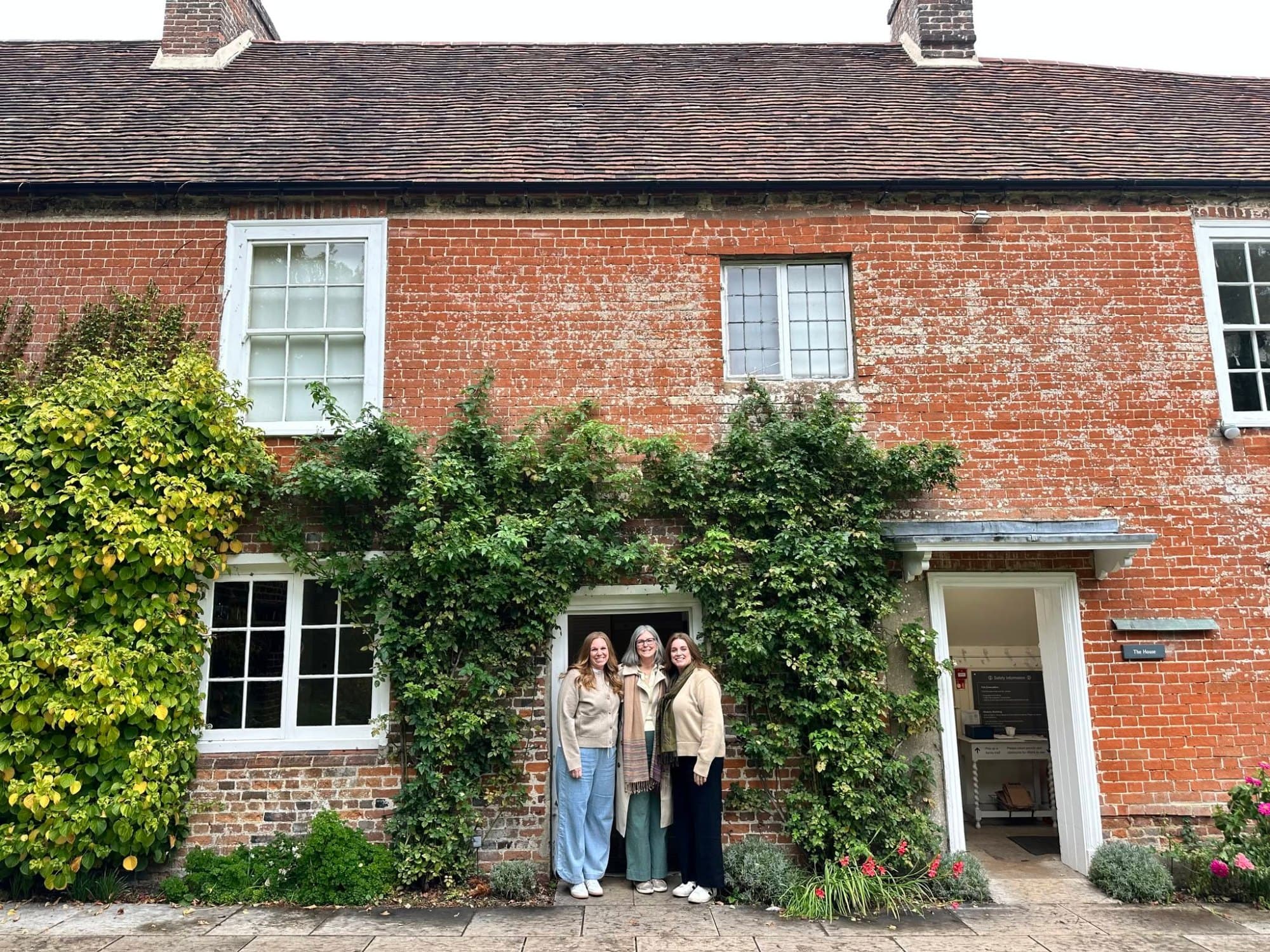
No discussion of British women novelists is complete without Jane Austen (1775–1817). Writing largely from a modest home in the Hampshire village of Chawton, she turned the small world of provincial families into a stage for sharp wit, social observation, and some of the most satisfying plots in English fiction.
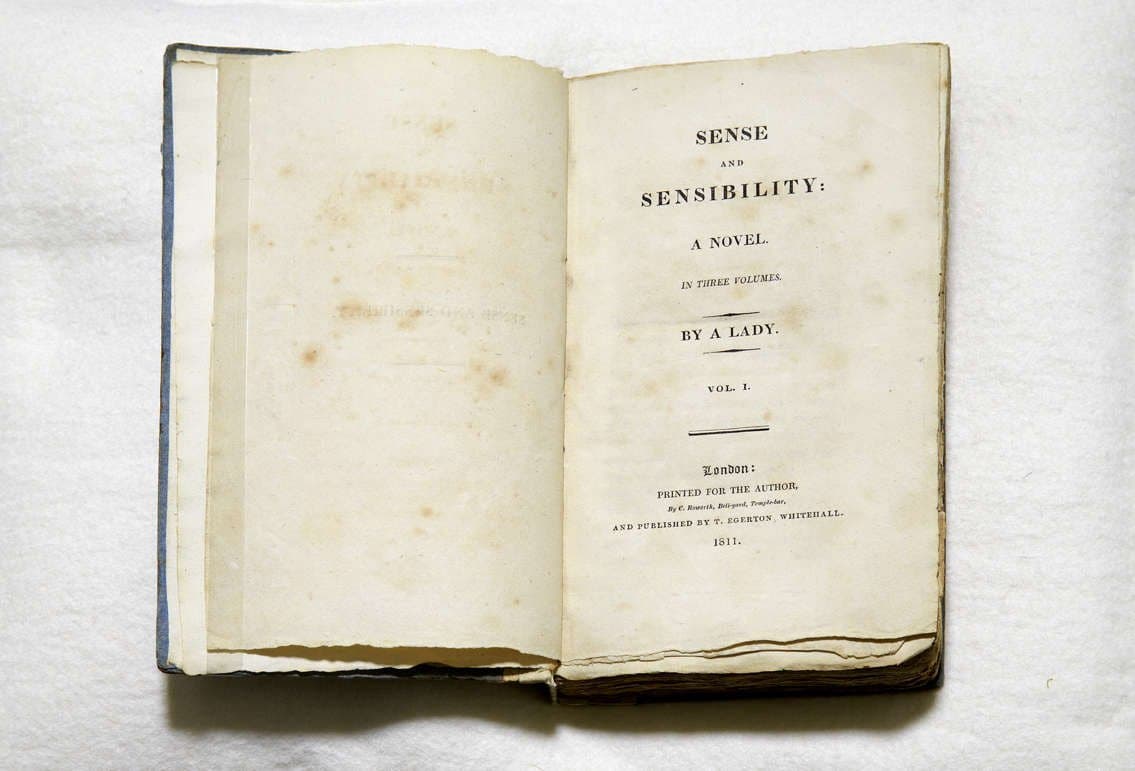
Austen's subject was women's lives: marriage, money, and the narrow choices open to women of her class. That subject was exactly the point. In Pride and Prejudice and Emma, a woman's inner life is treated as worthy of serious literary attention. During her lifetime, her books earned modest sums and she remained officially anonymous. Her name appeared on her work only after her death. Today she is one of the most widely read and adapted authors in the English language.
Listen to our podcast about Jane Austen the Quiet Revolutionary, Pride & Prejudice, and Sense & Sensibility
Mary Shelley and the Gothic Imagination
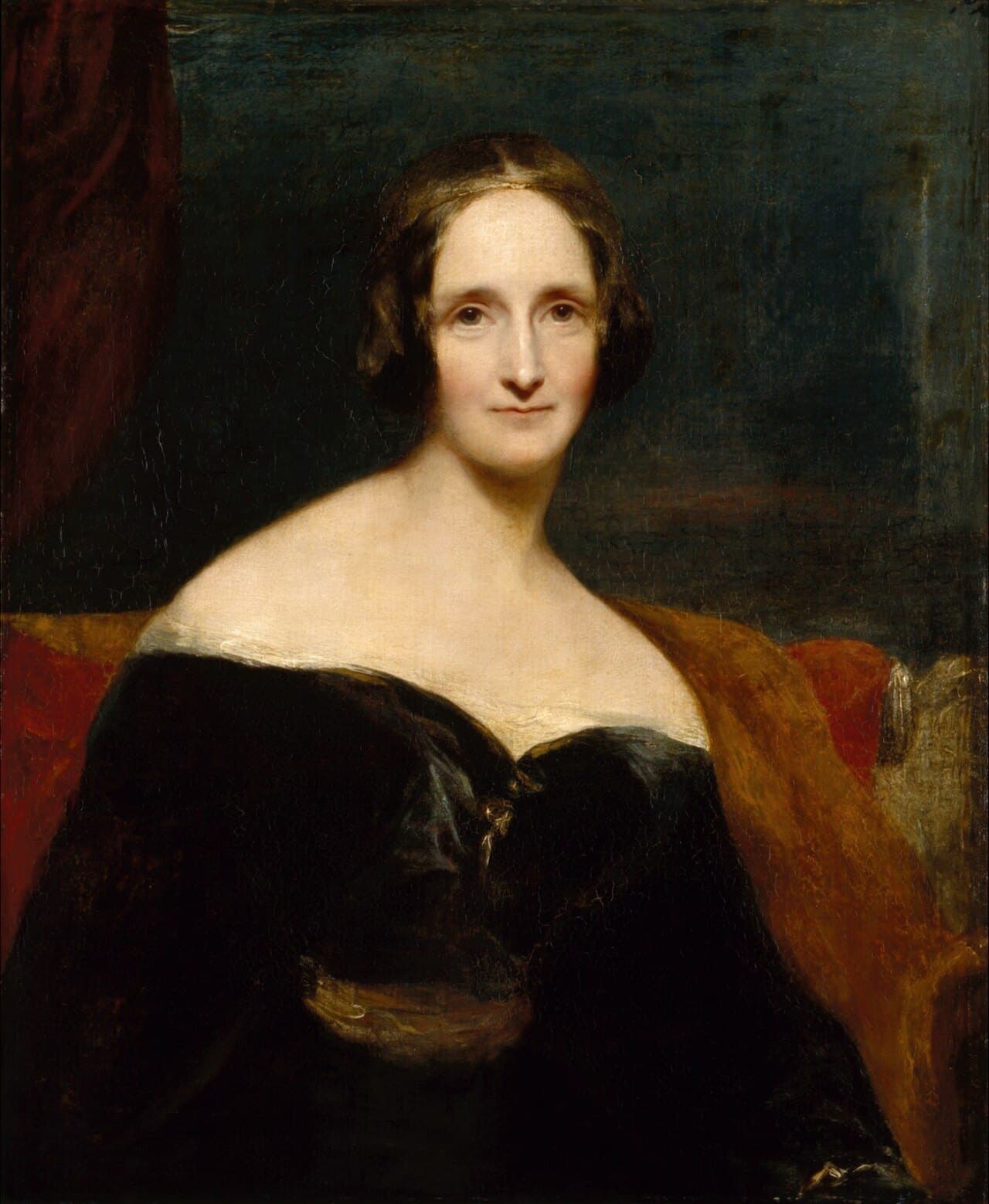
Not every early woman novelist wrote about drawing rooms. In 1818, nineteen-year-old Mary Shelley published Frankenstein, a novel that launched science fiction and still shapes how we talk about science and responsibility. Like many women authors of the time, she first published it anonymously. Critics assumed a man had written it.
Listen to our podcast about Mary Shelley and the birth of Frankenstein
The Victorian Boom: Pen Names and Powerhouses
By the mid-nineteenth century, women were publishing novels in huge numbers, and some of the most celebrated voices of the age were women who had to disguise themselves to be taken seriously.
The Brontë sisters
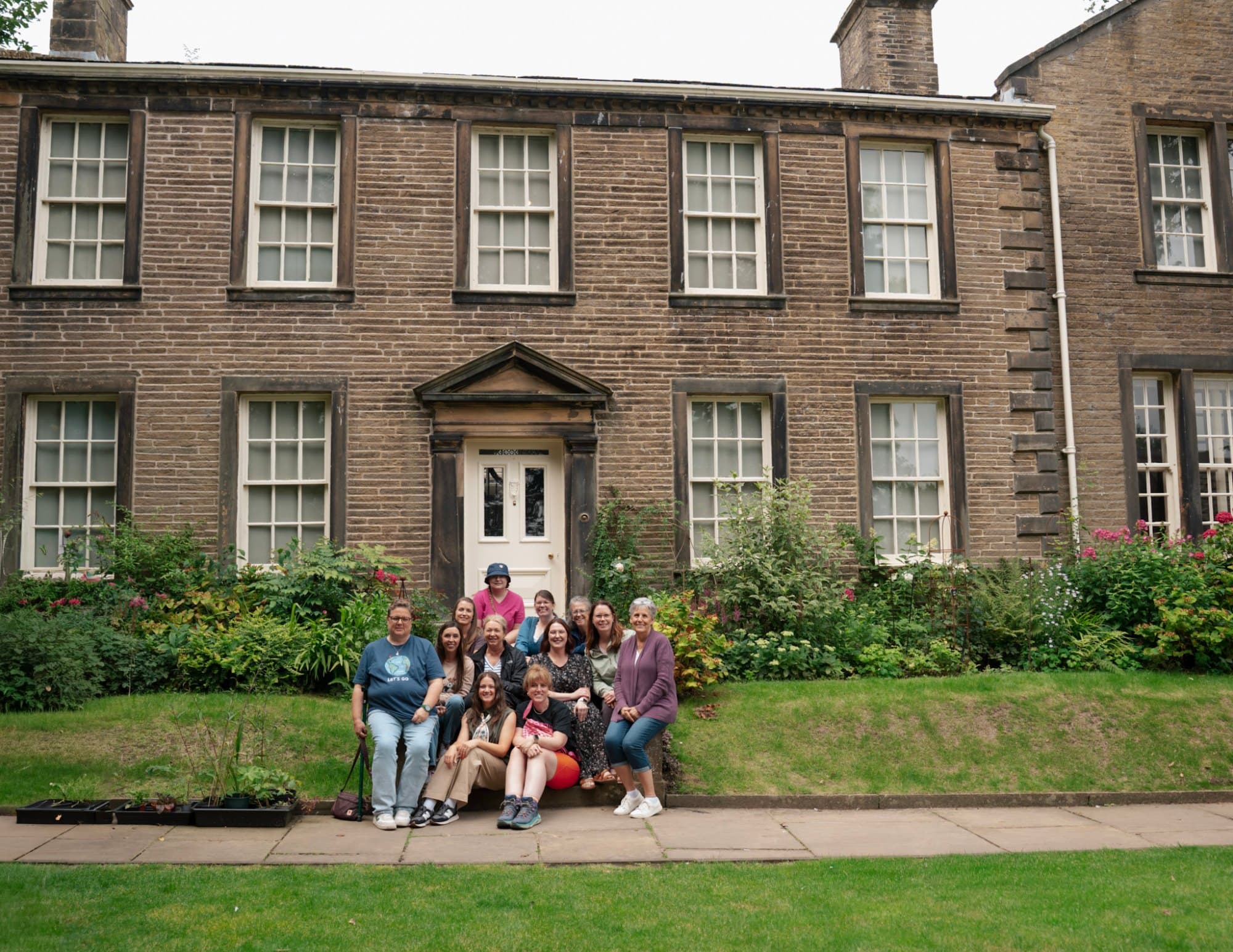
In 1847, Charlotte, Emily, and Anne Brontë, daughters of a Yorkshire clergyman, published Jane Eyre, Wuthering Heights, and Agnes Grey under the pseudonyms Currer, Ellis, and Acton Bell. They chose names that were deliberately ambiguous because, as Charlotte later explained, they suspected women's writing would be judged with prejudice. Their novels broke with polite convention, pairing fierce emotion and moral independence with the wild Yorkshire moors that surrounded their home.
Listen to our podcast about the Brontë sisters, Jane Eyre, and Anne Brontë the forgotten sister
George Eliot
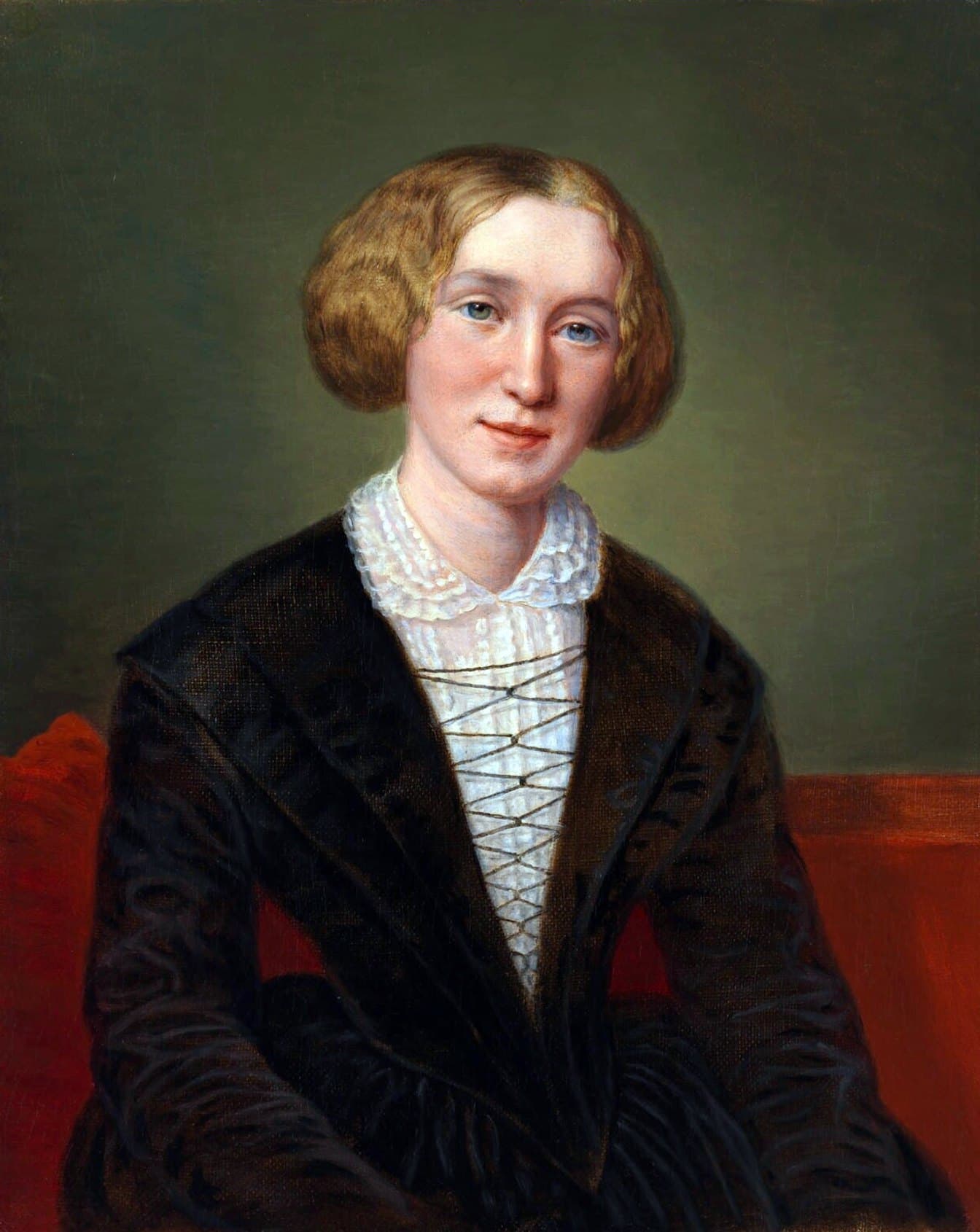
Mary Ann Evans adopted the name George Eliot and went on to write Middlemarch (1871–72), a sweeping portrait of provincial life that many critics consider one of the greatest English novels. Her choice of a male pen name was strategic: she wanted to be judged as a serious intellectual, not categorized as a "lady novelist."
Elizabeth Gaskell and others
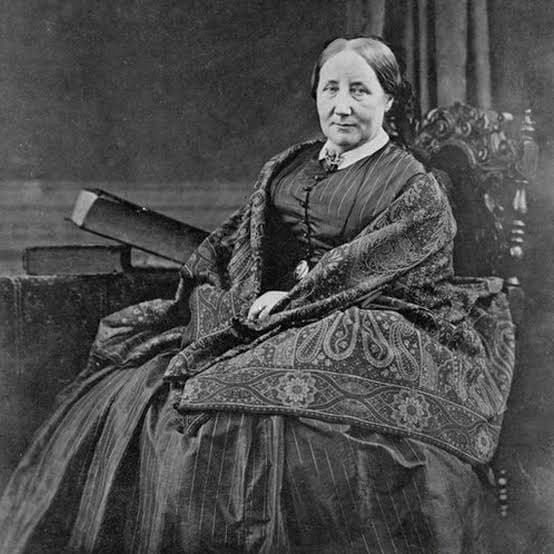
Elizabeth Gaskell turned her attention to industrial Manchester in Mary Barton and North and South, using fiction to explore poverty and class conflict. Writers such as Margaret Oliphant, a prolific Scottish author who supported her family entirely by her pen, show how many women were earning a professional living through fiction by the late 1800s.
Listen to our podcast about Elizabeth Gaskell
Law, Money, and the Right to Write
It's worth pausing on how much law shaped these women's lives. Under the doctrine of coverture, a married woman's property and earnings largely belonged to her husband. Reforms such as the Married Women's Property Acts of 1870 and 1882 gradually gave wives the right to keep their own earnings and property. That change mattered for women writers, because it meant the income from a successful novel could finally be theirs.
The Twentieth Century: A Room of One's Own
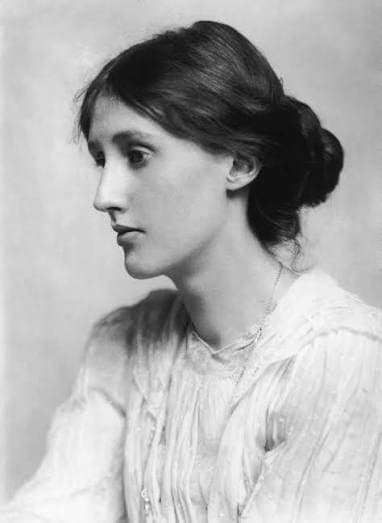
In 1929, Virginia Woolf published A Room of One's Own, arguing that a woman needed money and a space of her own in order to write fiction. The essay remains one of the most influential statements on women and creativity, and it's still a lively topic for book club discussion.
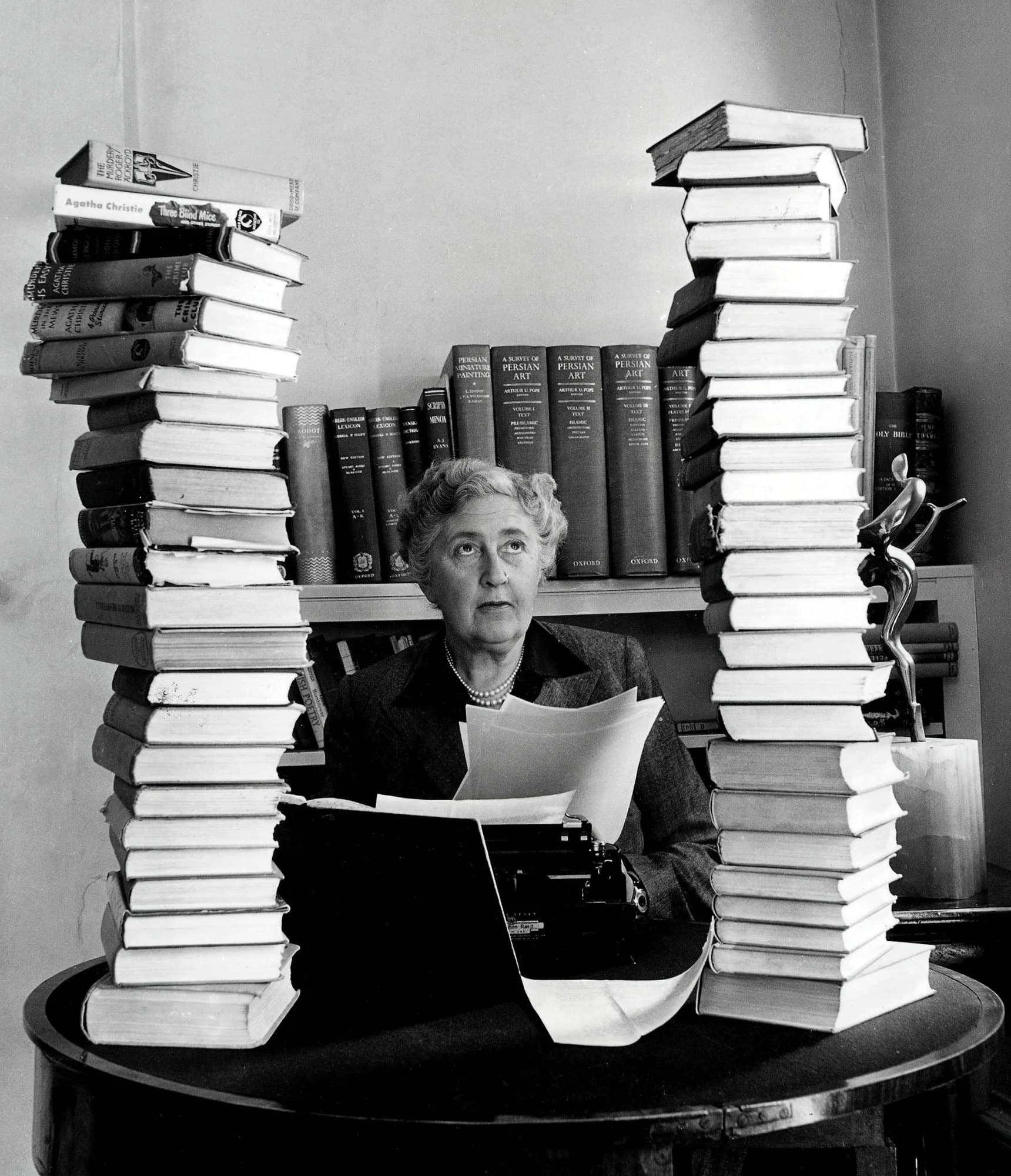
The twentieth century also saw women transform popular fiction. Agatha Christie became the best-selling novelist of all time with her Golden Age mysteries, beginning with The Mysterious Affair at Styles (1920). Meanwhile, Daphne du Maurier crafted atmospheric tales of Cornwall, and Scotland's Muriel Spark brought a sharp, darkly comic eye to modern life in The Prime of Miss Jean Brodie.
Listen to our podcast about Agatha Christie, the queen of crime
Why It Still Matters
The rise of women novelists is more than a literary milestone. It's the story of women claiming a public voice, often in the face of real obstacles. Reading these books with that context makes them feel more alive. You notice what Austen could and couldn't say, why the Brontës chose their pseudonyms, and how Eliot argued for women's intellectual life from behind a man's name.
It also helps explain why so many readers feel a personal connection to these authors. Their novels were written by women, about women's inner lives, for a readership that had rarely seen itself on the page.
Walk in Their Footsteps With The Book Club Tour
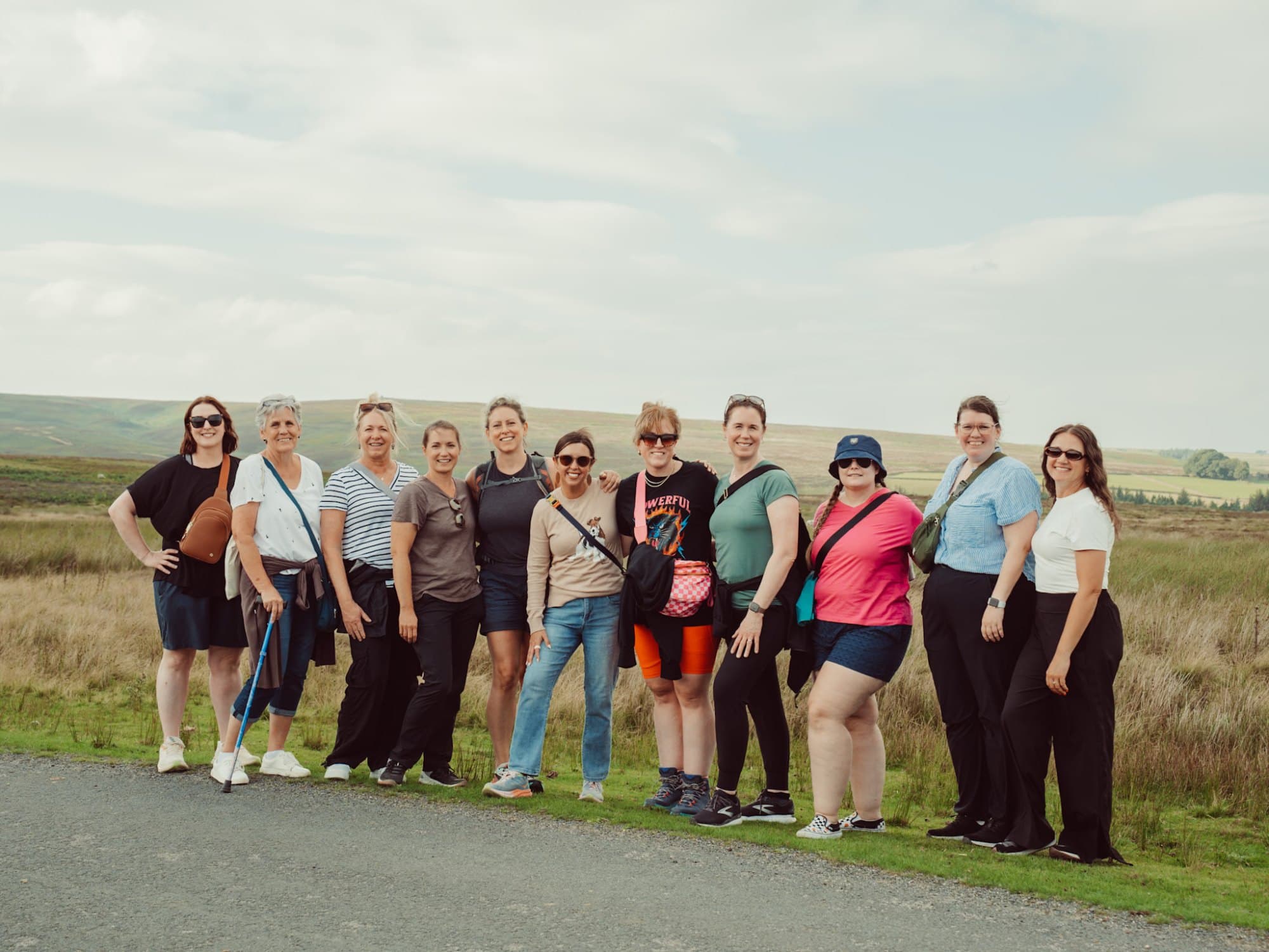
Reading about these women is wonderful. Standing in the places where they lived and wrote is something else entirely.
The Book Club Tour offers small-group, women-only literary journeys designed for readers who love exactly this kind of story. With a group of just 12 guests, you'll explore the landscapes and landmarks behind the books you love, share conversation with like-minded women, and see literary history come to life.
- England(July 19–28, 2027): Explore the countryside, villages, and literary heritage that shaped the great English novelists.
- Scotland (June 21–28, 2027): Discover the Scottish literary tradition, from storytelling and folklore to the writers who put the Highlands and Edinburgh on the page.
- France (July 7–16, 2027): Follow the writers, salons, and women authors who shaped French literary life.
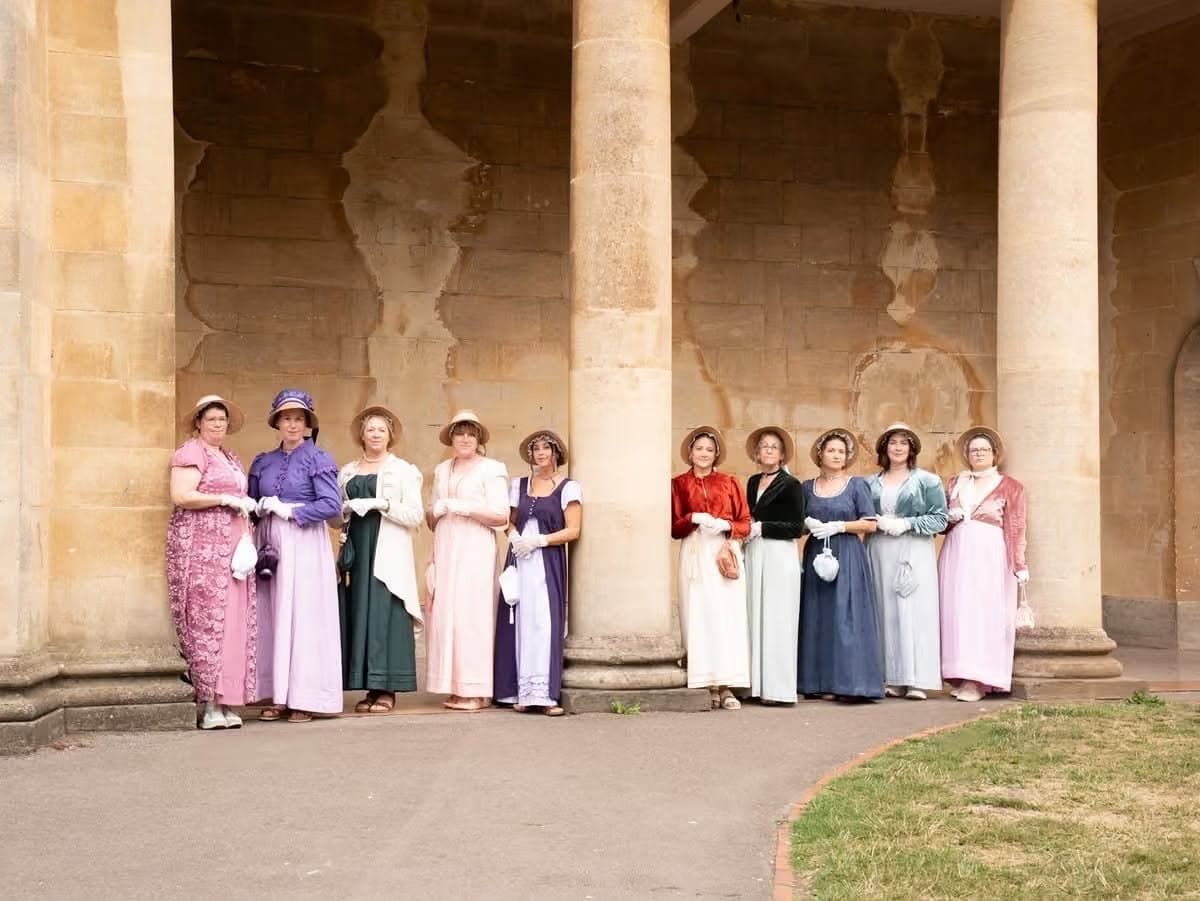
You don't need to be an English literature expert, and you won't be quizzed on the reading list. Our tours are about enjoying the experience with fellow readers.
Ready to travel with us? Explore our upcoming tours and discover where your next favorite book takes you.